
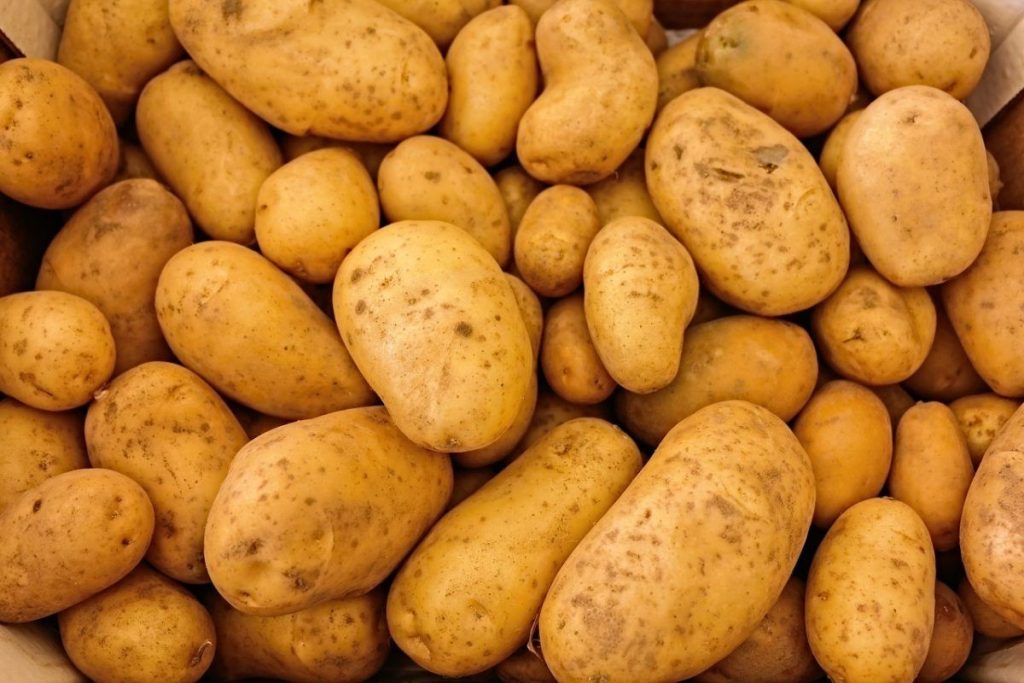
In the U.S., people eat an average of 126 pounds of potatoes per person each year. [1] However, potatoes don’t count as a vegetable on Harvard’s Healthy Eating Plate because they are high in the type of carbohydrate that the body digests rapidly, causing blood sugar and insulin to surge and then dip (in scientific terms, they have a high glycemic load).
For example, a cup of potatoes has a similar effect on blood sugar as a can of cola or a handful of jelly beans. [2, 3] The roller-coaster-like effect of a high dietary glycemic load can result in people feeling hungry again soon after eating, which may then lead to overeating. [4*]
Over the long term, diets high in potatoes and similarly rapidly-digested, high carbohydrate foods can contribute to obesity, diabetes, and heart disease. [5-9]
Potatoes seem to be a particular culprit for weight gain and diabetes:
A 2011 study by Mozaffarian et al. that tracked the diet and lifestyle habits of 120,000 men and women for up to 20 years looked at how small food-choice changes contributed to weight gain over time.
- People who increased their consumption of French fries and baked or mashed potatoes gained more weight over time—an extra 3.4 and 1.3 pounds every four years, respectively. [7]
- People who decreased their intake of these foods gained less weight, as did people who increased their intake of other vegetables.
A similar long-term study found that high potato and French fry intakes were linked to a greater risk of diabetes in women, and that replacing potatoes with whole grains could lower diabetes risk. [9]
Potatoes do contain important nutrients—vitamin C, potassium, and vitamin B6, to name a few. But the potato is not the only source of these nutrients, nor is it the best:
- Broccoli, for example, has nearly nine times as much vitamin C as a potato.
- White beans have about double the potassium.
What to eat instead of potatoes?
- Whole grains are an excellent choice, especially minimally processed grains such as brown rice and quinoa.
- Beans can also stand in as a “starchy” side dish; they are high in fiber and protein, and cause less of a spike in blood sugar than processed grains.
- If you’re looking for that mashed-potato texture, try this recipe that uses cauliflower instead.
If you want to swap sweet potatoes for white potatoes, you’ll still need to go easy on the portions: Though sweet potatoes are a rich source of beta carotene, they have a high glycemic index and glycemic load—almost as high as that of a white potato. Most people don’t eat sweet potatoes in the same over-sized quantities as they do white potatoes, which is perhaps why research studies haven’t found sweet potatoes to be a major culprit for obesity and diabetes.